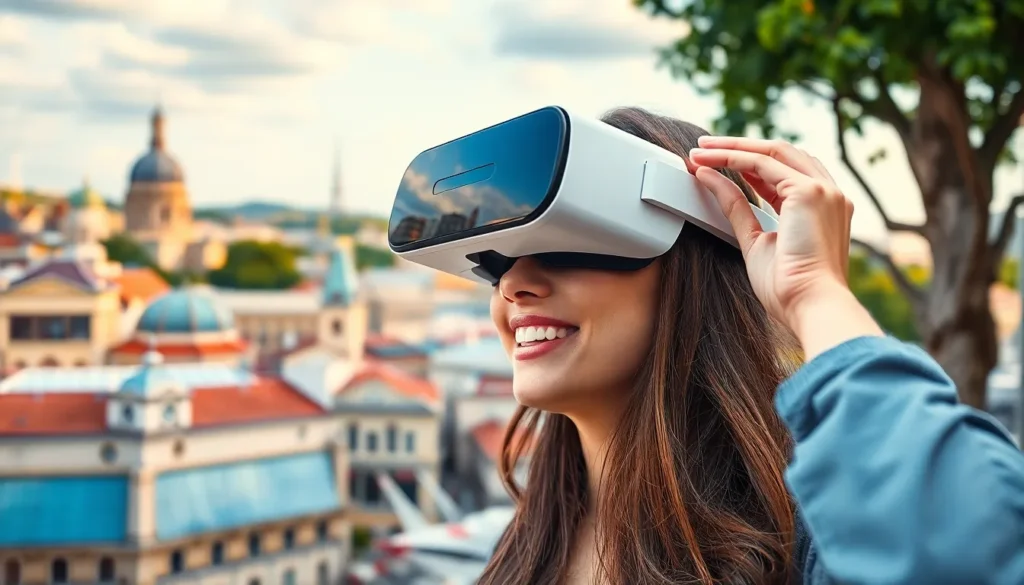
In a world where technology reshapes experiences, virtual tours have emerged as a game-changer. They offer an immersive way to explore places from the comfort of home, breaking down geographical barriers and making travel accessible to everyone. Whether it’s a stroll through a museum, a walk down a historic street, or a peek inside a luxury hotel, virtual tours provide a unique glimpse into destinations that once felt out of reach.
As the demand for innovative experiences grows, businesses and organizations are embracing this trend. Virtual tours not only enhance marketing strategies but also engage audiences in ways traditional methods can’t. With stunning visuals and interactive elements, they create memorable experiences that resonate long after the screen goes dark. In this article, we’ll dive into the world of virtual tours, exploring their benefits and how they’re transforming the way people discover new places.
Overview of Virtual Tours
Virtual tours offer an interactive way for users to explore locations without physical presence. These digital experiences use panoramic images, 360-degree videos, and immersive technology to simulate real-world environments. Businesses in hospitality, education, real estate, and museums utilize virtual tours to attract and engage potential customers effectively.
Technology Behind Virtual Tours
- 360-Degree Cameras: Cameras capture images from every angle, providing a complete view of a location.
- Software Applications: Platforms such as Matterport and Roundme create, edit, and host virtual tours.
- Virtual Reality: VR headsets enhance immersion by placing users inside a simulated environment.
Applications of Virtual Tours
- Real Estate: Agents showcase properties, allowing buyers to view homes remotely.
- Tourism: Destinations present landmarks, museums, and attractions through guided experiences.
- Education: Institutions offer virtual field trips, enhancing learning through interactive exploration.
Benefits of Virtual Tours
- Accessibility: Users experience locations regardless of geographical limitations.
- Time-saving: Virtual tours eliminate travel time while providing comprehensive insights.
- Cost-effective: Organizations save on travel expenses and logistics by using virtual presentations.
Virtual tours change how people engage with environments, enhancing experiences, boosting marketing efforts, and providing accessibility to audiences worldwide.
Benefits of Virtual Tours
Virtual tours offer numerous advantages that enhance engagement and accessibility in various sectors. These benefits make them indispensable for businesses and organizations looking to connect with audiences.
Enhanced Accessibility
Enhanced accessibility is a key benefit of virtual tours. Users can explore locations from anywhere with an internet connection, eliminating travel barriers. People with physical disabilities gain opportunities to experience environments that may otherwise be inaccessible. For instance, museums provide virtual tours that allow individuals to visit and view exhibits without physical limitations.
Immersive Experience
Immersive experience significantly elevates user engagement during virtual tours. By employing 360-degree videos and panoramic images, users experience a sense of presence in different environments. Interactive elements, such as clickable hotspots and informational overlays, provide a deeper understanding of the space. For example, real estate listings often include immersive virtual tours that allow potential buyers to envision themselves in a property, enhancing their connection to the space.
Types of Virtual Tours
Virtual tours come in various formats designed to enhance user experiences. Two prominent types include 360-degree tours and interactive tours.
360-Degree Tours
360-degree tours provide panoramic views of locations, which users can navigate by clicking and dragging their mouse or swiping on mobile devices. These tours capture every angle of a space, offering a comprehensive visual experience. Commonly used in real estate, tourism, and hospitality, 360-degree tours present properties or attractions without physical presence. Software such as Matterport allows seamless integration of these tours, making properties more appealing and accessible to potential buyers and visitors.
Interactive Tours
Interactive tours elevate user engagement by incorporating clickable elements and multimedia features. These tours often include hotspots that reveal additional information about specific points of interest, such as historical facts or details about artwork. Interactive tours are prevalent in museums, educational institutions, and marketing campaigns where organizations aim to captivate audiences through immersive storytelling. By blending visuals with interactive content, these tours create memorable experiences that encourage further exploration and learning.
Applications of Virtual Tours
Virtual tours have found widespread applications across various sectors, revolutionizing how users interact with spaces and experiences.
Real Estate
Real estate professionals leverage virtual tours to showcase properties effectively. Virtual tours enable potential buyers to view homes from their devices, facilitating initial assessments without physical visits. Features such as 360-degree views and interactive floor plans allow users to navigate properties at their own pace. Data indicates that listings with virtual tours generate 49% more inquiries compared to those without. Agents appreciate how these immersive tours minimize time spent on in-person showings, optimizing their sales processes.
Education
In education, virtual tours allow institutions to offer immersive learning experiences. Schools, colleges, and universities employ virtual tours to provide prospective students a glimpse of campus facilities and resources. Interactive tours can include clickable elements that provide information on specific departments or services. This method enhances engagement, particularly for online learners who may not visit campuses physically. Studies show that virtual tours can significantly increase enrollment rates by allowing students to visualize their future learning environment.
Challenges of Virtual Tours
Virtual tours, while transformative, face several challenges that can hinder their effectiveness. These challenges often stem from technical limitations and user experience concerns.
Technical Limitations
Technical limitations impact the quality and accessibility of virtual tours. Factors include:
- Internet Speed: High-resolution content requires substantial bandwidth. Slow connections can lead to buffering and poor user experiences.
- Device Compatibility: Users access virtual tours through various devices. Not all devices support the high-quality imagery and interactive features that make tours engaging.
- Software Issues: Technical glitches in software applications can disrupt the tour experience. Users may encounter crashes, freezes, or compatibility errors that reduce engagement.
- Quality Control: Inconsistent video quality and lighting issues can detract from the immersive experience. Proper equipment and editing are essential for creating professional-quality virtual tours.
User Experience Concerns
- Navigation Issues: Complicated navigation can frustrate users. Intuitive controls and user-friendly interfaces enhance engagement and satisfaction.
- Overstimulation: Excessive multimedia elements can overwhelm users. Striking a balance between interactive features and information is vital for maintaining interest.
- Physical Discomfort: Long viewing sessions may cause discomfort, such as eye strain or motion sickness. Shorter tours with breaks can enhance user comfort.
- Content Relevance: Irrelevant or outdated content reduces engagement. Regular updates ensure that virtual tours remain fresh and informative.
Virtual tours are revolutionizing how individuals connect with different environments. They offer an innovative way to experience destinations and properties from the comfort of home. As technology continues to advance, the potential for virtual tours to enhance engagement and accessibility will only grow.
Businesses across various sectors are recognizing the value of these immersive experiences. They not only attract customers but also provide essential information in a captivating format. While challenges remain, ongoing improvements in technology and design will help overcome these obstacles.
Embracing virtual tours can lead to significant benefits for organizations and users alike. This transformative tool is set to play a crucial role in shaping the future of exploration and engagement.